How to Manage Daily Expenses Using UPI Apps
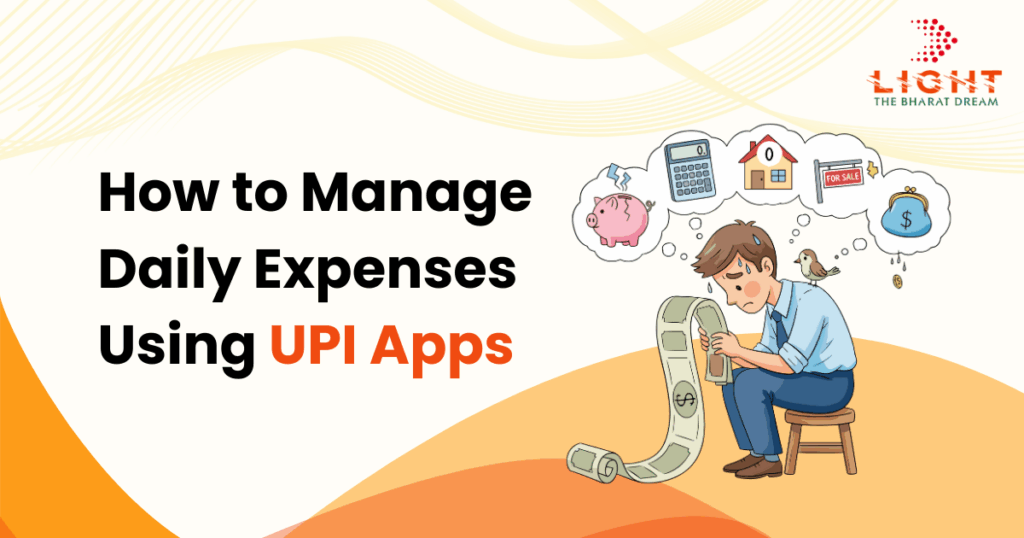
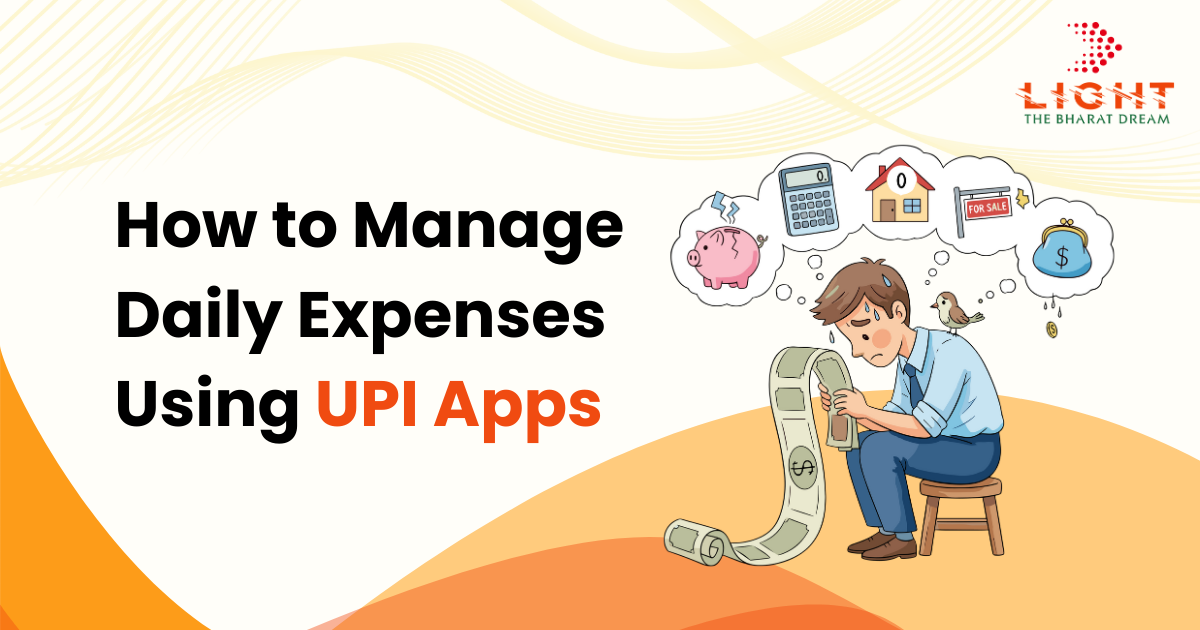
UPI apps have made payments incredibly simple. Whether it is buying groceries, paying for transport, or ordering food, money leaves your account in seconds. This ease is exactly why many people struggle to manage daily expenses today. When payments happen digitally, you don’t feel the physical loss of cash, and spending slowly becomes invisible. Small amounts feel harmless, but over time they quietly drain your bank balance.
This guide explains how to manage daily expenses using UPI apps realistically and practically. It focuses on building awareness, forming better habits, and using UPI as a financial tool rather than just a payment shortcut.
UPI Convenience Has Changed the Way People Spend Money
UPI applications have resulted in faster and easier payments than ever. Money goes out of your bank account within seconds, whether it is for small purchases on the street or bills every month. Although this convenience will save time, it will decrease spending awareness. Due to the absence of cash, taking and giving it, most people do not realize how many times they pay and how much they spend daily. In the long run, it results in ineffective cost management and a financial strain that appears out of the blue. To recover consciousness and control without sacrificing the advantages of payments with the use of UPI applications, it is possible to learn how to manage daily costs with the help of such apps.
Daily Expenses Fall into Clear Spending Categories
Expenses incurred daily tend to have regular patterns, and knowledge of these patterns is the basis of control of expenses. There are those expenditures that are constant and recurring, which include commuting costs or necessary household expenses. These are expenses that are inevitable and can be better planned.
The rest of the expenses are also the ones that change on a daily basis and normally lead to over-expenditure. Snacks, coffee, food delivery, and hasty traveling are easy to pay for as an individual amount does not seem significant. Even the occasional costs like eating out, shopping, or entertainment make some contribution to daily spending, even though not all of them happen on a daily basis. All these expenses are automatically captured in UPI apps, and they are visible and measurable.
Tips to Manage Daily Expenses using the UPI app
1. Proper UPI Setup Makes Expense Tracking Easier
UPI Apps as expense management tools can only be effective when intentionally employed. One primary UPI application with daily payments is selected, and all records concerning spending are kept in the same place, which enhances readability. So it is also important to connect with the appropriate bank account. The majority of users have the advantage of keeping two accounts, one dedicated to daily expenses and the other one dedicated to savings. Notification and transaction alerts are important in controlling expenses. Real-time notifications make people conscious at the moment of money expenditure and minimize the tendency to make automatic payments.
2. Transaction History Reveals Actual Spending Behavior
UPI transaction history gives a good account of the daily disappearance of money. This history should be checked regularly to detect spending patterns that are not necessarily noteworthy. Users would start to realize why they end up spending more money than they expected when they observe recurrent expenses incurred on food delivery, transport, or minor purchases. This habit will make spending not a subconscious process but rather a conscious expenditure decision. Even a brief revision every day or week can be helpful in money management.
3. Expense Categorization Brings Clarity and Control
Expenses classification also enables the conversion of transaction information into valuable knowledge. Problem areas may be discovered when expenditure is mentally categorized into groups of food, transport, bills, shopping, and entertainment. The users are able to tell the categories that are taking the highest portion of their income. This would allow making informed choices, e.g., lowering the cost of food delivery or managing expenditure on entertainment without having to impact basic needs.
4. A Simple Daily Budget Builds Financial Discipline
A budgetary day allows forming a clear spending limit and helps to question payments. Users can have a realistic spending limit by computing the amount of money they have to use on a daily basis after subtracting the savings and the fixed costs. This is a limit that is considered a mental guide when making UPI payments. Adherence to a daily budget does not imply the denial of pleasure. It merely makes sure that expenditure is in balance with income and financial objectives.
5. Convenience and Emotional Triggers Drive Overspending
UPI payments are quick and painless, and thus spending becomes painless. This ease of use has a tendency to cause swift payments. Unnecessary spending is further augmented by emotional factors like stress, boredom, or fatigue. The cashback offers also have an impact of making people feel rewarded, even when they end up spending even more than expected. The awareness of such triggers makes the user stop and reconsider their spending choices prior to making a payment.
6. Simple Spending Habits Improve Long-Term Control
Minor daily practices are important in cost management. By taking a few seconds to consider before spending money, one will not have to spend money on unnecessary things. Late-night UPI business should be avoided to minimize the number of impulse purchases due to exhaustion. Accountability and awareness are strengthened by reviewing the daily spending at the end of the day. The habits themselves are not demanding of any sophisticated equipment, and they are simple to maintain.
7. Monthly Statements Expose Hidden Money Leaks
A more global perspective on how spending can be done is given by monthly UPI or bank statements. Upon examining these statements, users tend to find recurring costs like unutilized subscriptions, regular delivery of foods or small payments. These costs silently eat up money without offering any tangible value. Eliminating a single money leak can lead to the fact that, with time, there will be visible savings
8. Cashback and Rewards Should Support
Cash back deals and reward programs may work well when implemented appropriately. Smart usage implies that one should only take rewards for the costs that are already planned. Expenditure to get cashback can easily cost more than the savings. Financial improvement is truly realized by managing costs and not pursuing any given trifles.
9. Budgeting Apps Add Value
UPI apps will be enough for simple expense management, particularly when it comes to individuals. Budgeting applications prove to be useful in situations where costs require the assistance of many individuals, automatic segregation, and thorough reporting. The user must begin with the simple tool UPI tracking before using the more complicated tools. It aims at simplicity rather than elaboration.
10. Spending Mistakes Reduce Financial Awareness
Disregarding minor daily expenditures results in huge losses on a monthly basis. Leaving out the review of the transaction history means that one will be spending money without questioning the necessity. Financial discipline is also diminished by considering the whole bank balance as money that can be spent. These errors must be prevented by awareness and frequent review.
11. Expense Management Practices Vary by User Type
Tracking daily pocket money and having weekly limits are also helpful to the students. During working days, working professionals are encouraged to be attentive to food and transportation costs. UPI statements help families to spend the money in the household more effectively. Personal and business UPI accounts should always be separated by the small business owner in order to be clear.
12. Secure UPI Usage Protects Financial Data
Cost control with the use of UPI is secure in case of adherence to the basic security measures. Good PINs, app locks, not using public Wi-Fi, and regular updates of the apps make it less risky. Online tracking can be more secure and transparent than the use of cash.
Conclusion
UPI applications are potent financial applications that are used intentionally. Consciousness, frequent review, and behavioral habits transform UPI from a conventional payment system to an efficient system of managing money. Minor adjustments in everyday life can result in a permanent, stable financial situation and tranquility.