How Instant Payments Affect Spending Habits
Think about the last time you paid for something. Maybe you ordered food, booked a cab, or transferred money to a friend. It probably took just a few seconds. No cash. No waiting. Just a quick tap on your phone.
Instant payments have completely changed the way we handle money. They are fast, simple, and always available. But while this convenience feels amazing, it also quietly changes how we spend. When money moves instantly, our decisions often become faster too. Understanding how instant payments affect spending habits can help you stay in control while still enjoying the convenience.
What Are Instant Payments?
Instant payments are digital transactions where money moves from one account to another in real time. The transfer happens within seconds, and both the sender and receiver get confirmation immediately.
Unlike cash, where you physically hand over money, or traditional bank transfers that may take hours or days, instant payments remove the waiting time completely. This speed is what makes them so powerful and widely used today. Because the process feels effortless, spending through instant payments often feels different from traditional methods.
The Psychology Behind Instant Spending
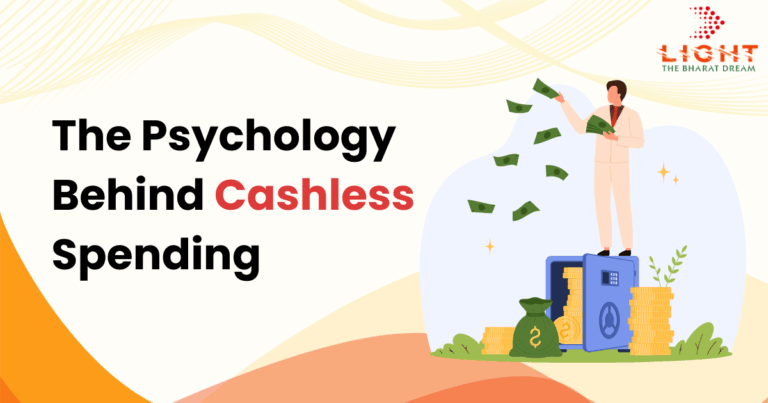
When you pay with cash, you actually see the money leaving your hands. That physical action creates a small emotional discomfort. Experts call this the “pain of paying.” With instant digital payments, that feeling is reduced. You tap your phone, enter a PIN, and the transaction is done. There is no physical exchange. Because of this, your brain doesn’t register the spending in the same strong way. As a result, impulse purchases become easier. The less friction there is in paying, the less time you spend thinking about whether you truly need something.
How Instant Payments Increase Daily Micro-Spending
One of the biggest changes instant payments bring is the rise of small, frequent transactions. A small online subscription, a quick food order, or a discounted product during a flash sale may not feel like a big expense.
Individually, these purchases seem harmless. However, when they happen repeatedly throughout the week or month, they can significantly increase total spending. Because the amounts are small, they often go unnoticed until you review your bank statement. This “it’s just a small amount” mindset is one of the main ways instant payments quietly influence spending habits.
Positive Effects of Instant Payments on Spending Habits
Despite the risks, instant payments also bring many financial benefits. Paying bills becomes easier and faster, which reduces the chances of missing due dates. Real-time transfers help manage urgent expenses and improve overall cash flow.
Digital banking apps also provide instant transaction history, making it easier to track where money goes. For many people, especially those who previously had limited access to banking services, instant payments increase financial accessibility and flexibility. When used responsibly, instant payments can actually support better financial management.
Negative Effects You Should Be Aware Of
The same speed that makes instant payments convenient can also encourage overspending. Impulse buying becomes more common because there is no delay between decision and payment. Another challenge is reduced awareness. Since money is not physically visible, it becomes easier to lose track of how much is being spent. Multiple small transactions throughout the day can make it difficult to stick to a budget.
Subscriptions are another hidden issue. Automatic renewals often continue without users realizing how much they are paying monthly. Without conscious monitoring, convenience can slowly reduce financial discipline.
Are Instant Payments Changing the Way We Budget?
Yes, budgeting has shifted from traditional monthly planning to more real-time tracking. Earlier, people relied heavily on cash envelopes or written expense records. Now, most spending happens digitally.
With instant notifications and transaction alerts, users can monitor expenses immediately. However, this also requires more consistent attention. Instead of reviewing finances once a month, digital spending demands regular monitoring. Budgeting today is less about physical control and more about digital awareness.
Why Instant Payments Are Hurting Your Finances
If your account balance frequently surprises you, instant payments may be affecting your spending habits. Not knowing where small amounts of money are going is another common warning sign. Depending heavily on credit cards or noticing that savings are not increasing despite a stable income can also indicate a problem. These signs suggest that convenience may be overriding financial planning. Recognizing these patterns early can help you make adjustments before financial stress builds up.
Control Spending in the Instant Payment Era
You do not need to stop using instant payments to improve your finances. The key is to build small control habits. Setting personal spending limits, checking transaction history regularly, and reviewing subscriptions can make a big difference.
Another effective strategy is creating a short pause before making non-essential purchases. Even waiting a few minutes can reduce impulse buying. Awareness and regular tracking are simple but powerful tools. Financial discipline today is less about avoiding technology and more about managing it wisely.
How to Use Instant Payments to Your Advantage
Instant payments can become a powerful financial tool when used intentionally. Automating savings transfers ensures that money moves into savings before you spend it. Paying credit card bills on time avoids unnecessary interest charges.
Some users also benefit from cashback rewards and loyalty programs, provided they do not overspend just to earn rewards. When you stay mindful, the same speed that encourages impulse buying can also support smart financial decisions. The goal is to let convenience work for you rather than against you.
Final Thoughts
Instant payments are not inherently good or bad. They are simply tools that make transactions faster and easier. However, speed changes behavior. When payments become effortless, spending decisions often become quicker and less deliberate.
The real impact of instant payments on spending habits depends on awareness. By tracking expenses, reviewing statements, and building mindful spending habits, you can enjoy convenience without losing control. Balance is the key. Use the speed, but stay conscious of where your money goes.