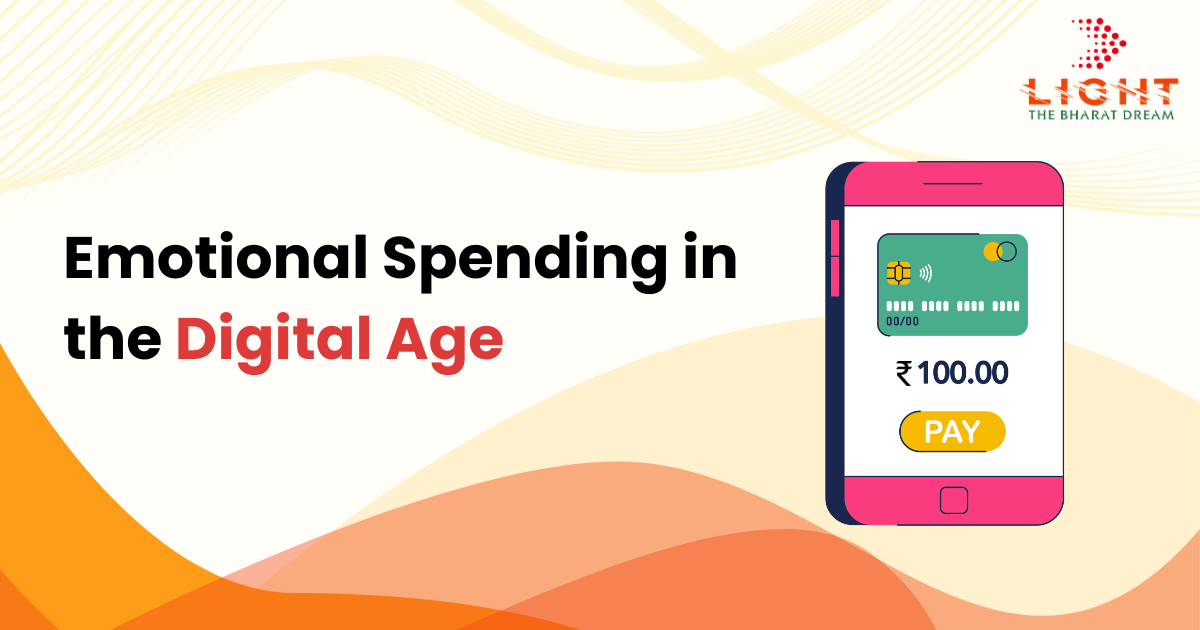
Emotional Spending in the Digital Age
Emotional spending is characterized as the tendency to purchase items according to emotions rather than necessities. Some individuals go shopping when they are stressed, bored, lonely, or even excited. That is when it is gratifying and reassuring to get something new.
Emotional spending has increased in the digital age, as it is as easy as ever to shop. There is no need to leave the house since with a few button presses, an individual can purchase clothes, gadgets, food, or entertainment.
The issue is that emotional purchases do not occur very often, and they are not properly planned. Once the excitement dies, most individuals find out that they have wasted money on what they did not actually need. The first step to managing your finances better is to understand emotional spending.
Need-Based Spending vs Emotion-Based Spending
Not all spending is bad. As a matter of fact, expenditure is a requirement in daily living. The point here is to know the difference between the essential purchases and the emotional purchases. Need-based spending occurs when you purchase a necessity to make a living.
Examples include:
- Paying rent or electricity bills
- Buying groceries
- Purchasing work tools or school supplies
- Repairing a broken appliance
These purchases are planned and necessary. Emotion-based spending, on the other hand, happens suddenly and is usually triggered by a feeling.
Examples include:
- Buying clothes after a stressful day
- Purchasing gadgets during online sales
- Ordering food when feeling bored
- Buying products recommended by influencers
The key difference is that emotional spending focuses on temporary feelings, while need-based spending focuses on long-term usefulness.
Common Emotions That Trigger Spending
Different emotions can influence spending behavior. Recognizing these emotions can help people become more aware of their financial habits.
Stress
Stress is one of the most common triggers for emotional spending. After a long day at work or during difficult situations, people often shop to relax or distract themselves.
Sadness
When people feel sad or disappointed, buying something new can create a temporary sense of happiness.
Loneliness
Online shopping sometimes feels like a way to fill emotional gaps when someone feels isolated or disconnected from others.
Excitement
Positive emotions can also trigger spending. Celebrations, achievements, or good news may lead to impulsive purchases.
Boredom
Scrolling through shopping apps while feeling bored can easily lead to unnecessary purchases. Understanding these emotional triggers can help people pause and rethink their spending decisions.
Why Emotional Spending Is Increasing in the Digital Age
Modern technology has changed how people shop. Online platforms have made shopping extremely convenient, but this convenience also increases impulsive spending.
1. One-Click Shopping and Instant Payments
Online shopping platforms are designed to make purchasing as quick as possible.
Features like:
- One-click checkout
- Saved credit cards
- Digital wallets
- Instant payment systems
remove the friction that once existed in traditional shopping.
Because purchases happen instantly, people often buy items without giving themselves enough time to think about the decision.
2. Social Media and Influencer Culture
Social media has become one of the biggest drivers of consumer behavior. Every day, people see influencers promoting products such as:
- Clothing and fashion items
- Beauty products
- Fitness equipment
- Travel experiences
- Technology gadgets
These posts can create the impression that buying these products will improve one’s lifestyle or social status. This constant exposure can trigger emotional spending, especially when people compare their lives to those of others online.
3. Personalized Advertising
Modern digital advertising is highly personalized. Websites and apps track browsing behavior and show ads based on previous searches and interests. For example:
- Searching for running shoes may result in seeing ads for sportswear across multiple platforms.
- Looking at smartphones may trigger repeated gadget advertisements.
These targeted ads are designed to capture attention and influence purchasing decisions by appealing to emotions.
4. Fear of Missing Out (FOMO)
Many online stores use marketing techniques that create urgency. Examples include:
- Limited-time sales
- Flash discounts
- Countdown timers
- “Only a few items left” notifications
These strategies trigger the fear of missing out, encouraging users to make quick decisions without thinking carefully.
Tips to Control Emotional Spending
Controlling emotional spending does not require drastic lifestyle changes. Small adjustments can make a big difference.
1. Follow the 24-Hour Rule
Before buying non-essential items, wait at least 24 hours. This waiting period allows emotions to settle and helps people make more rational decisions.
2. Track Every Purchase
Keeping a record of spending can increase financial awareness. When people see how much they spend each month, they often become more careful with their purchases.
3. Identify Personal Spending Triggers
Understanding what situations trigger spending can help prevent impulsive decisions. For example:
- Stress from work
- Late-night browsing
- Social media influence
Once triggers are identified, people can create strategies to avoid them.
4. Reduce Online Shopping Temptations
Some simple steps can reduce the temptation to shop:
- Unsubscribe from marketing emails
- Disable shopping notifications
- Remove saved payment information
- Avoid browsing shopping apps during free time
These small changes can significantly reduce impulsive buying.
5. Replace Shopping With Healthier Activities
When the urge to shop appears, try replacing it with another activity, such as:
- Going for a walk
- Reading a book
- Exercising
- Listening to music
- Talking to friends or family
These activities can improve mood without affecting finances.
When Emotional Spending Becomes a Serious Problem
For some individuals, emotional spending can become compulsive.
Warning Signs of Compulsive Spending
Some signs include:
- Frequently spending beyond your income
- Using multiple credit cards to shop
- Feeling unable to control buying habits
- Experiencing serious financial stress
Seeking Professional Help
If emotional spending becomes overwhelming, seeking guidance from financial advisors or counselors can help. Professional support can help individuals build healthier financial habits and regain control of their money.
Final Thoughts
The virtual world has facilitated quicker, simpler, and more convenient shopping more than ever before. Although this convenience has a lot of advantages, it also exposes people to a greater risk of emotional spending. Emotional spending can be controlled in a way by being aware of it. The knowledge of triggers that cause an individual to experience emotions, the budgeting process, as well as the development of healthier coping patterns, will allow one to make wiser financial choices. By developing a healthy relationship with money, an individual can spend without much guilt and at the same time ensure that their financial security is not compromised in the long run.