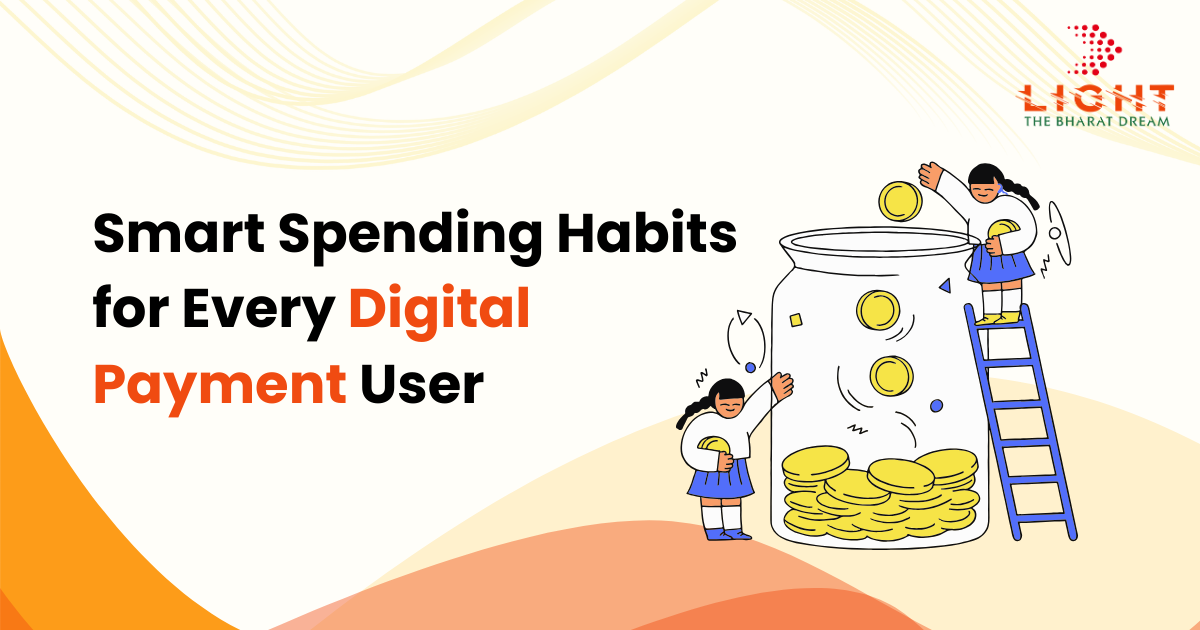
Smart Spending Habits for Every Digital Payment User
E-payments have now become part of the daily routine. Most payments are now being made using money without the use of cash, whether it is payment of utility bills, ordering groceries, paying for travel services, or even shopping online. Although this is very convenient and saves time and effort, it also allows one to easily lose control of spending.
When money transfers electronically, we do not necessarily experience the effect of every transaction. In the long run, it results in excessive spending, subscriptions forgotten, and stress over finances. The guide will guide you towards developing intelligent spending behaviorforo digital payment users, such that you can reap the benefits of digital payment without damaging their finances.
Why Digital Payments Make Spending Harder
Digital payments eliminate the physical aspects of money spending. When you use cash, you touch and see money coming out of your wallet. Digital payment is also invisible and instant, and makes it less aware.
Convenience is another difficulty. The one-tap payments, card saving, and auto-fills are features that ensure that spending is easy. This stimulates small and frequent purchases in the course of the day. However, the overall impact of every transaction may lead to a significant rise in the monthly expenditures. Knowing the impact of digital payments on behavior makes you make more conscious spending choices.
Tips for Smart Spending Habits for Every Digital Payment User
1. Understand Where Your Digital Money Actually Goes
Most individuals think that they understand their expenditures, but online records of transactions can tell otherwise. It is hard to underestimate costs, particularly minor recurrent costs, without going over previous costs.
Begin by opening your payment application or bank account in the last month. Take a closer look at food deliveries, reserving a ride, subscriptions, and Internet shopping. Break these costs down into groups to see which things are using the majority of your money. It is after getting a clear picture of your spending habits that you can establish areas where you have problems and establish control over them with a sense of confidence.
2. Set Spending Limits That Actually Work
Budgeting is only possible when it suits your actual lifestyle. Very strict boundaries are doomed to fail since they do not take into account the everyday needs and habits. Rather, come up with a budget whereby necessary costs are contrasted with unnecessary expenditure. Spend money on things that are important, such as bills, groceries, and traveling. Then determine how much you will be comfortable using in shopping, entertainment, or eating out. It is possible to use spending alerts or daily limits to notify you when you are about to exceed your budget using digital payment applications.
3. Track Digital Payments Without Feeling Overwhelmed
Expenses tracking does not imply keeping a track of every rupee as an obsessive approach. It is not to be stressed but to bring about awareness. One of the simplest things to do is to go through your online payment history at least once a day or at least two or three times. The majority of apps already classify expenses, and it is easy to track where the money flows. Another thing that you can keep is a short note on non-essential spending. Regular monitoring will assist in the early detection of spending as well as making adjustments promptly.
4. Don’t Let Cashbacks and Offers Control Your Spending
The cashbacks and discounts usually make one think of saving, yet they are meant to urge spending. This makes many users purchase items that they do not require in order to open an offer. Question yourself on whether you need to purchase before spending money on this deal. You are not saving money as long as you are using extra money with no significant cashback. Smart users do not consider offers to be a spending reason but rather an added value. It is always important to make decisions about the purchases and then use the discounts only when they are natural.
5. Control Impulse Spending Before You Pay
When thinking time is taken out through convenience, impulse spending occurs. It is easy to follow your feelings, boredom, or the desire of the moment with digital payments. Limiting this, introduce delays less than payments. People should not save their payment information on shopping applications, turn on the one-click payment feature, and implement a 24-hour principle when buying unnecessary items. Taking the time to think usually saves you money on things you do not need and adds pleasure to what you purchase.
6. Reduce Money Leaks From Subscriptions and Auto-Payments
Subscriptions are forgettable since they are spent on low fees frequently. These little fees accumulate with time and insidiously impact your budget. Get into the routine of going through subscriptions monthly. Unsubscribe from services you do not use commonly and are cautious of the free trial, which eventually becomes a paid service. You can also check the permissions for auto-debiting using your bank account or card. The cost of managing subscriptions can actually release a lot of funds.
7. Use Fewer Payment Apps for Better Control
With several payment applications, it may be difficult to know the cost. Each application presents you with just a portion of your expenditure,e and it is more difficult to see the big picture. The use of only a few main payment apps will make it easy to keep track of them, and the likelihood of being bombarded by promotional messages will decrease. Fewer apps imply increased visibility and conscious consumerism. Use applications that are safe, efficient, and commonly used on a daily basis.
8. Make Digital Payment Security Part of Smart Spending
Smart spending also involves not losing money to fraud and errors. A single security breach would lead to a loss of money. Always use strong PINs, passwords, or biometrics to lock their payment apps. Do not open suspicious links, do not forward OTPs, or give payment authorization that has not been verified. Also, update your applications on a regular basis in order to enjoy security updates. Good security habits allow you to live and spend confidently and peacefully.
9. Review and Adjust Your Spending Every Month
Budgets are not fixed. Your spending plan must be adjusted to your requirements and priorities that change with the course of the time. Check your categories of spending at the end of every month. Determine such areas where you spent excessively and why. Do not make drastic cuts, but make small improvements, as small improvements are easy to sustain. Regular reviews will assist you in maintaining control and creating long-term financial discipline.
10. Build Smart Spending Habits That Last
Digital payments are an effective weapon in the right hands. The trick is not to do them but to apply them consciously and carefully. It is possible to have convenience without being stressed financially by monitoring costs, subscriptions, impulse purchases, and staying safe. Consumption intelligence builds up over time. Be small, pay attention, and make your habits work.
Conclusion
Digital payments are meant to make life easier, not to create money stress. By building smart spending habits like tracking expenses, setting realistic limits, controlling impulse purchases, and reviewing subscriptions, you can stay in full control of your finances. Small, consistent changes in how you use digital payment apps can make a big difference over time. Use digital payments with awareness, and let convenience work for you, not against you.