The Rise of “Invisible Money”: How Digital Payments Changed Spending Habits
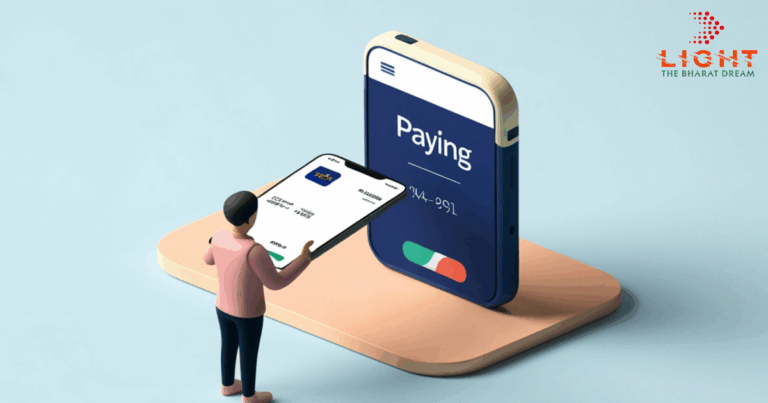
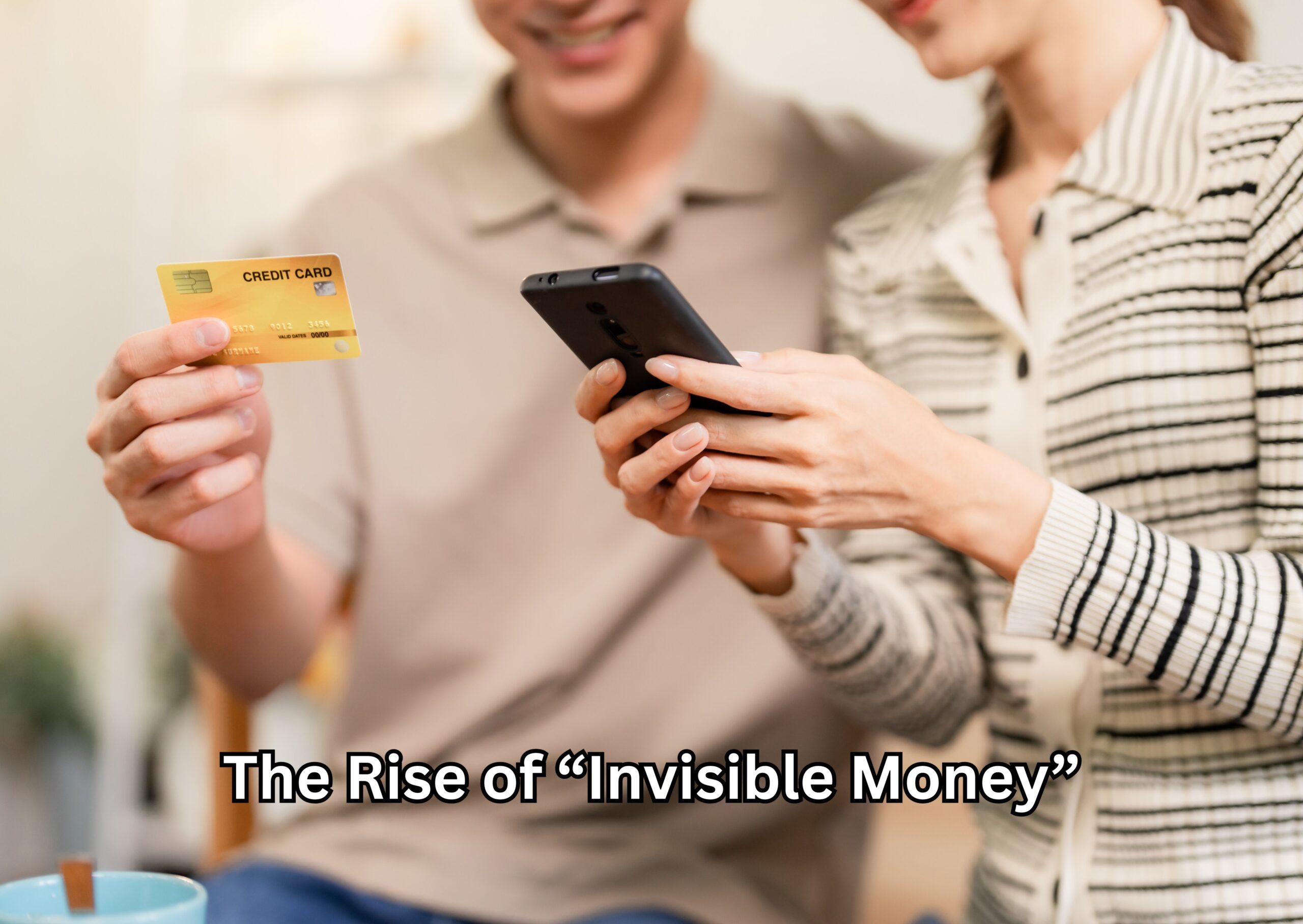
In the last decade, the way people move, store, and spend money has undergone a dramatic transformation. Cash-once the default mode of payment-has rapidly been replaced by digital transactions. Whether through UPI, mobile wallets, tap-and-pay cards, or online banking, money now moves behind the scenes. This shift has introduced a new concept into everyday life: “invisible money.”
Invisible money refers to payments where no physical cash is exchanged. The transaction happens digitally, almost instantly, and often with minimal awareness of the amount being spent. While this transition has driven convenience and efficiency, it has also fundamentally changed spending habits in ways that are both subtle and significant.
What Makes Digital Money Feel ‘Invisible’?
Digital payments remove the physical and psychological friction involved in handling cash. With cash, people feel the weight of money leaving their hands. With digital payments, the process is quick, smooth, and almost effortless. A tap, a QR scan, or a one-click checkout completes the transaction without any noticeable loss. This reduces what behavioral economists call the “pain of paying,” influencing how people perceive their spending.
Three factors contribute to the invisibility of digital money:
Speed: Payments take seconds, eliminating the delay and deliberation involved in counting cash.
Automation: Bills, subscriptions, and EMIs can be scheduled to pay themselves each month, allowing money to leave silently.
Abstraction: The absence of physical currency makes it harder to track spending intuitively.
How Invisible Money has Changed Spending Habits
1. Increase in Small and Frequent Transactions
Digital payments have made small expenses feel insignificant. Purchases like a ₹120 coffee, a ₹99 subscription, or a ₹150 snack are easier to justify because the transaction feels frictionless. While each expense seems minor, they accumulate quickly.
2. Rise of Impulse Purchases
E-commerce and one-tap checkout options have made it simple to buy items without contemplating the purchase. This reduction in decision-making time has led to a surge in unplanned and impulsive spending.
3. Subscription Overload
With automatic recurring payments, consumers often accumulate multiple subscriptions—streaming platforms, apps, cloud services, fitness programs—many of which they forget about. Since payments are invisible, they continue indefinitely unless manually stopped.
4. Lower Awareness of Total Expenditure
When money leaves the account through scattered small transactions, recurring debits, or automated payments, people often lose track of how much they spend monthly. Many users report that, despite earning enough, they are unsure where their money goes.
5. Growth of Social and Shared Spending
Digital payments have simplified splitting bills and transferring money between friends. This ease of sharing expenses has contributed to more social outings, shared purchases, and spontaneous plans.
6. Easier Access to Credit
Digital credit products-BNPL (Buy Now Pay Later), small-ticket loans, UPI-linked credit lines, and instant credit cards-have blurred the boundary between affordability and desire. People are now more likely to purchase higher-value items because digital credit makes payment feel less immediate.
The Positive Side of Invisible Money
While invisible money has increased impulsive spending, it has also introduced several benefits:
Better tracking tools: Apps now categorize expenses automatically, helping users understand their financial patterns.
Greater safety: Digital money reduces risks associated with carrying cash.
Financial inclusion: People in rural or underserved regions now have access to digital financial systems.
Improved efficiency: Businesses and consumers experience faster transactions and smoother payments.
The impact is not one-sided; invisible money has both enabled and challenged financial well-being.
The Psychology Behind Digital Spending
Research shows that consumers spend significantly more when using digital payments instead of cash. This occurs because the brain perceives digital transactions as less painful. The reward centers activate faster—similar to the effect of instant gratification—encouraging repeat spending. Over time, this can create deeply ingrained habits of casual, unmonitored spending.
The Future of Invisible Money
As technology advances, payments will become even more frictionless. Biometrics, wearables, and connected devices may soon make transactions fully background processes. A car may pay automatically for fuel, a fridge may reorder groceries, and subscriptions may renew without interruption. Money will move with even less visibility than today.
This shift will require a stronger focus on conscious financial behavior to avoid overspending in an increasingly automated world.
How to Stay in Control
Consumers can adapt to invisible money by adopting practical strategies:
- Set UPI and card spending limits
- Review subscriptions monthly
- Use expense-tracking tools
- Avoid one-click purchases when possible
- Monitor digital credit usage
- Maintain some awareness of cash-equivalent value
Being mindful of digital spending can help individuals enjoy the convenience of invisible money without falling into financial pitfalls.
Conclusion
Invisible money has reshaped the way people think about and engage with their finances. It has made payments seamless and efficient while simultaneously reducing the emotional connection to spending. Understanding these shifts is essential for developing healthier financial habits in a world where money is less visible but moves faster than ever.